October 10, 2026


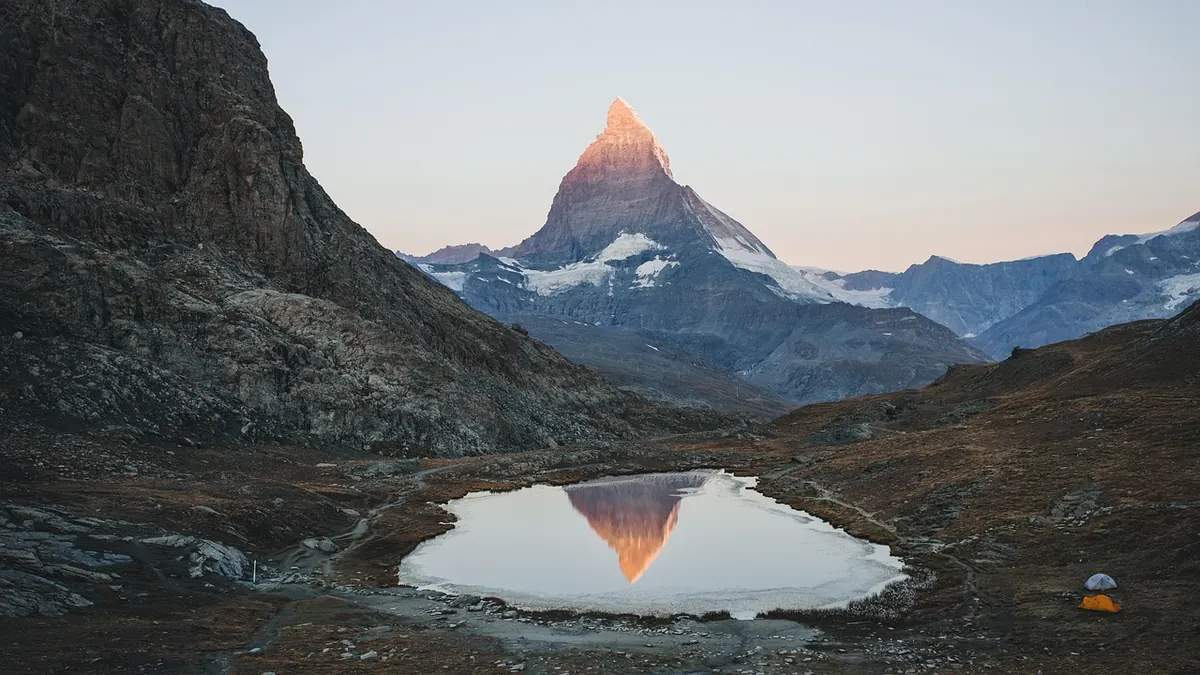
A night in a small tent, a few miles from the nearest road, is one of the real pleasures of the British outdoors. It is also easy to get subtly wrong. Most disappointing wild camps are not disasters; they are small decisions made in the wrong order. A pitch chosen because it looked flat from twenty metres away. A forecast skimmed rather than read. A midge hood left in the car. A bag of porridge oats left in an open stuff sack because the thought of a fox at 3am had not crossed your mind.
None of the fixes below need expensive kit. They need a bit of thought before you set off, rather than at ten o'clock at night with a headtorch clamped in your teeth. Get the basics right and wild camping becomes what it should be: quiet, simple and restorative.
The mistake: treating "wild camping" as one set of rules across the UK.
Scotland is the outlier. Under Scottish access legislation, wild camping is generally accepted on most unenclosed land — lightweight, small numbers, a night or two, leave no trace. It does not cover vehicles, so a night in a van is not wild camping in that sense, and it does not override the temporary restrictions a landowner or manager can ask for. Check the Scottish Outdoor Access Code if you are unsure.
In England and Wales there is no general right to camp on private land. Camp without permission and you are relying on goodwill at best; at worst you are trespassing, and being moved on at midnight ruins the trip. Some areas have specific arrangements with landowners, and these change from year to year, so check the current guidance from the relevant national park authority before you travel. Dartmoor, for example, has had periods where wild camping was permitted in certain areas, but the rules have shifted; the Lake District and Snowdonia generally expect you to use campsites or seek explicit permission. Where the answer is clearly no, look for a small campsite a few miles further in. A short detour beats an argument at dusk.
The mistake: dropping the tent wherever the light happens to be loveliest.
Wind and water decide how well you sleep. Look for ground that is slightly raised, gently sloped and firm underfoot. A mild slope is more comfortable than a dip, because water finds the dip. Press a palm down, or lie on the spot for a minute, before you commit. Bog looks stable until you are standing in it.
The mistake: ignoring what is above, beside and below you. Before anything comes out of the pack, scan for:
The fix is to prioritise shelter over scenery. A pitch behind a low bank or a clump of trees can cut the wind dramatically. If the view is spectacular, you can always walk ten minutes to enjoy it — you do not have to sleep on the edge of a cliff to appreciate it.
The mistake: checking the weather once on Monday and assuming it will hold.
British weather is local and changeable. A forecast for the nearest town may bear little relation to conditions at 600 metres in an exposed valley. Read the detail: wind speed and direction matter more than temperature, because wind chill will decide whether you sleep or shiver. Rain probability is useful, but so is total rainfall and whether it is likely to arrive as a sharp shower or a night-long soaking.
Use more than one source. The Met Office mountain forecasts, MWIS for hill areas, and Windy for wind maps are all helpful. In summer, check the midge forecast for the west coast and Highland glens. Then plan for the worst version of the forecast, not the best. If you are already out and the weather turns, be willing to move or bail. A night in a tent is not worth a soaking you cannot dry out from.
The mistake: pitching right beside a loch, tarn or stream because it looks idyllic.
Water brings midges, damp air and condensation. It also brings risk. A dry streambed can become a torrent after rain upstream, and low ground beside a river can flood quickly. Wildlife uses water as a corridor, so you may be camped on a deer path or disturb nesting birds without meaning to.
Camp at least 50 metres from water, and preferably on slightly higher ground. That gives you a drier pitch, fewer insects, and a bit of safety margin. Fetch water in the evening and treat it if needed — filter, boil, or use purification tablets. Do not wash dishes or yourself in the water source; carry water away and use a small trowel for any waste.
The mistake: leaving the midge head net at home because it "might not be that bad".
In the Scottish Highlands and parts of Wales, midges can turn a peaceful evening into a test of endurance. They are not dangerous, but they are relentless. A head net, repellent and long sleeves make the difference between eating dinner and inhaling it. Smidge and other repellents help; permethrin-treated clothing can add another layer of protection.
Ticks are a more serious concern. They lurk in long grass and bracken, and can carry Lyme disease. Wear long trousers tucked into socks where possible, check your body thoroughly at the end of the day, and remove any tick promptly with fine-tipped tweezers. If you develop a rash or flu-like symptoms after a bite, seek medical advice.
The mistake: carrying a heavy pack full of "just in case" items, then forgetting the one thing you actually need.
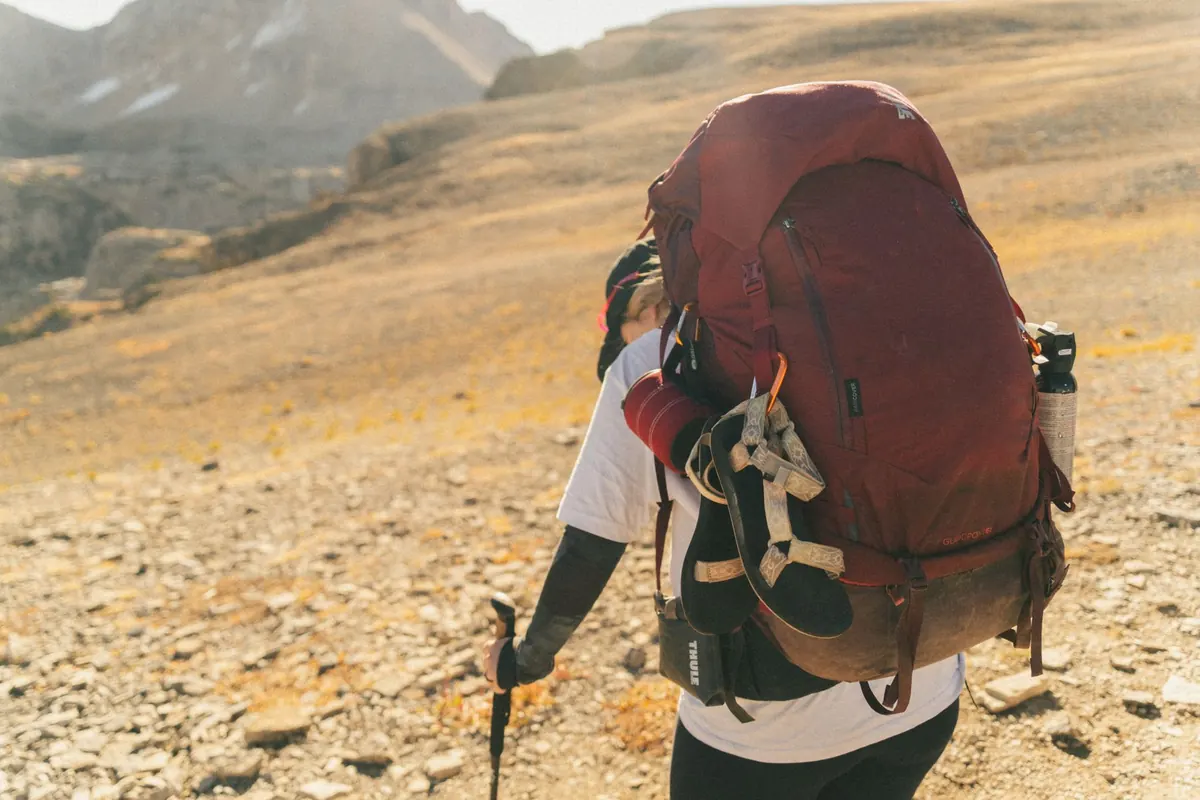
Wild camping is a lightweight game. You do not need a camp chair, a hatchet or a three-course meal. You do need a tent that can handle wind and rain, a sleeping mat with a decent R-value, a warm sleeping bag, and a stove. Spare warm layers, a hat, gloves and dry socks matter more than a change of clothes for every day. Cotton is a poor choice in the damp UK; it soaks and chills. Synthetic or merino layers are better.
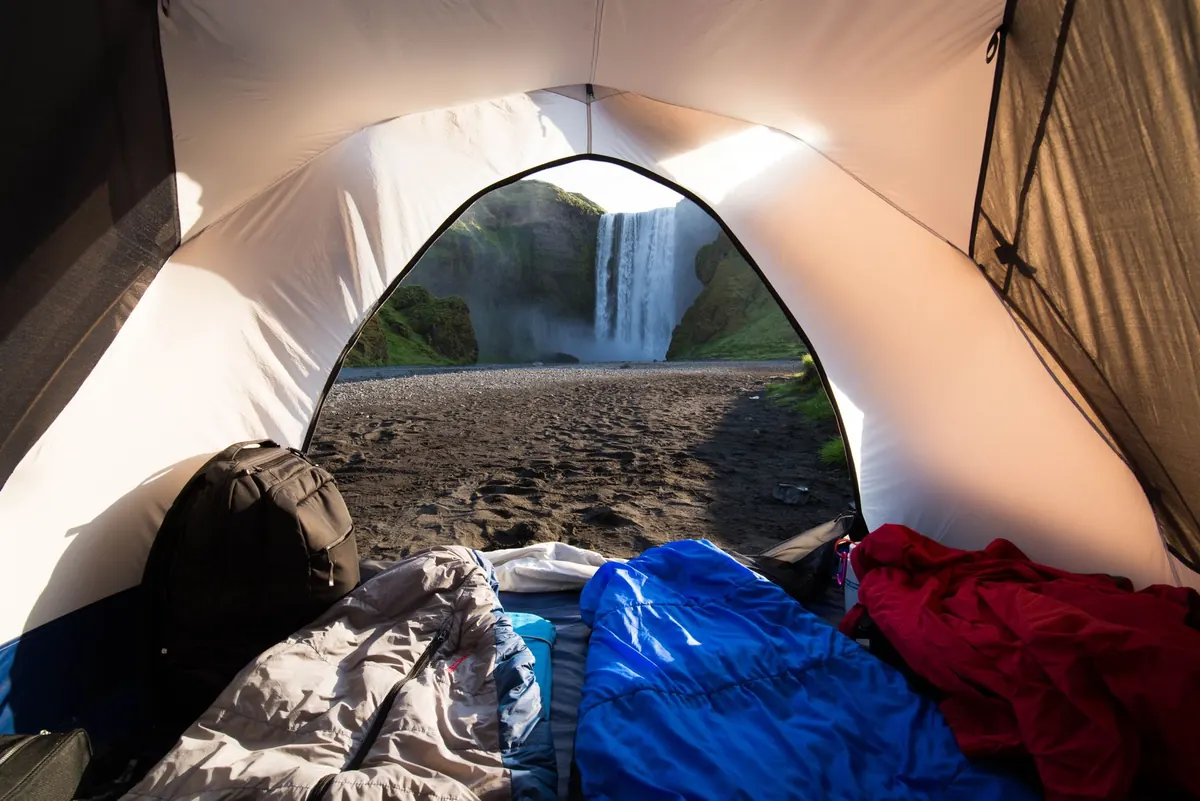
Explore the path less travelled.
Copyright © 2026 Sable Path. All rights reserved. Sable Path.