
October 10, 2026


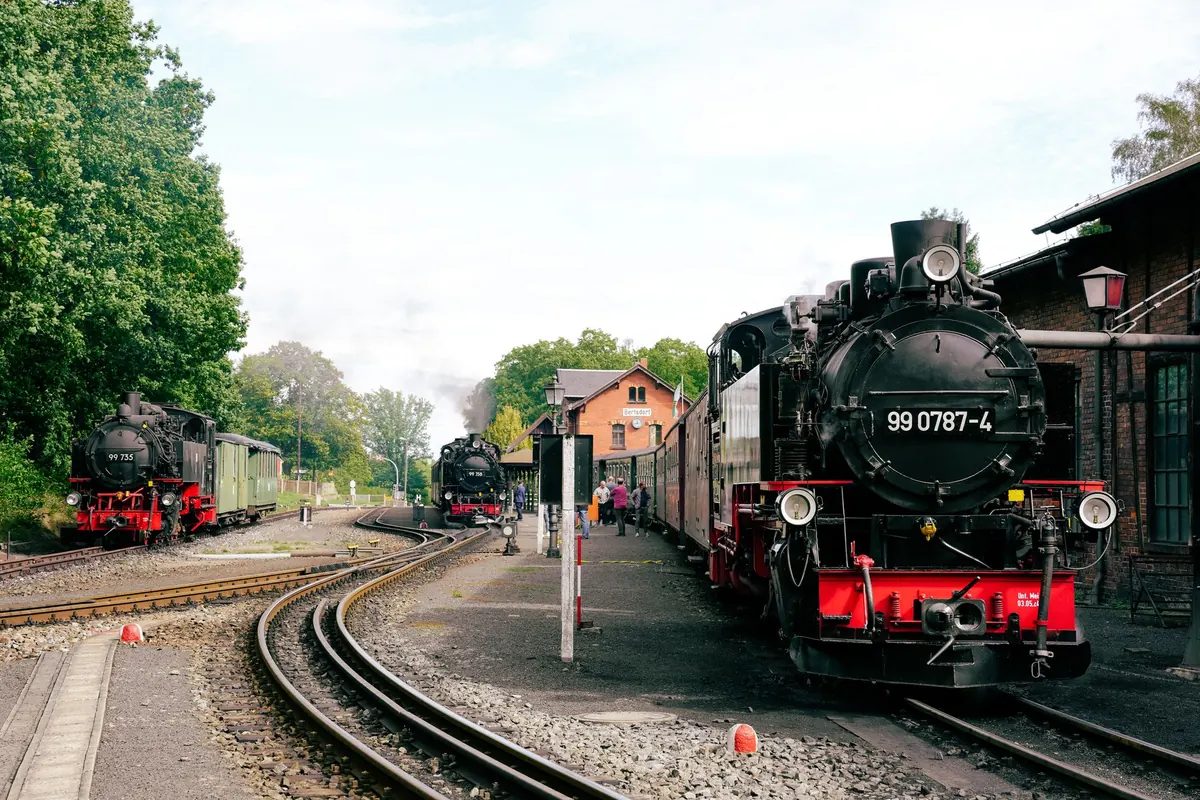
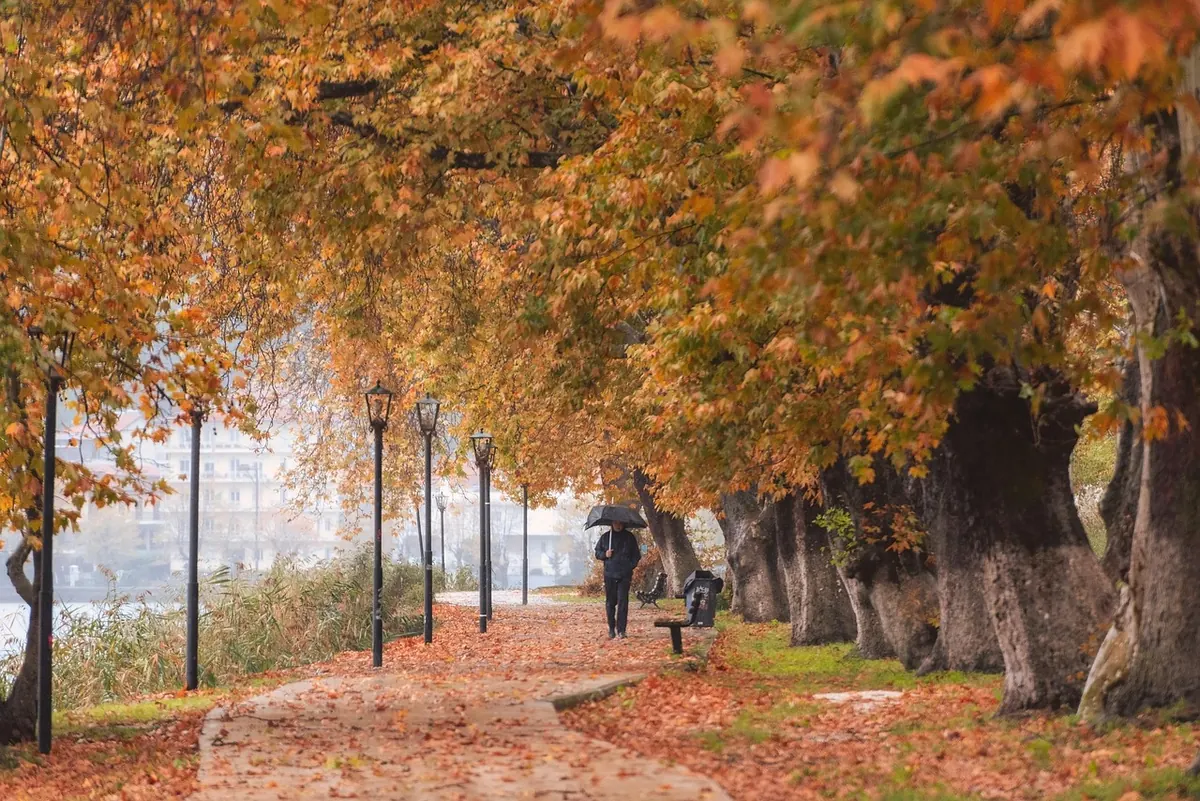
Autumn is the season that rewards the least effort. No summit, no headtorch, no nine-hour day. Often it is a mile of level gravel through beech and birch, a flask in your bag and a bench facing the right way.
The walks below are all short and on generally good ground, chosen because the trees do the work. Two are arboretums where autumn colour is the entire point. The rest are lakeside, riverside or pinewood circuits where the colours arrive twice: once on the branch, once in the water.
A path described as "easy" on a website can still mean tree roots, mud and a stile you have to haul yourself over. Before you commit, check four things:
All of these can be done in half a day, at conversation pace, with time to stand still and look up.
The National Arboretum near Tetbury is the obvious starting point, and it earns the reputation. The Acer Glade turns first and turns fast; Silk Wood holds on longer, with Japanese maples, birches and larches in sequence. The main drives are broad and level, with plenty of benches, so you can wander for an hour or three and still feel you have barely walked anywhere.
A chain of lakes in an eighteenth-century landscape near Uckfield, planted for exactly this moment. The reflections do as much for the day as the trees, especially on still mornings. Paths are wide and firm, with a few gentle slopes down to the water. Arrive early: this is a well-loved spot on a bright Sunday.
Near Goudhurst, this is a conifer collection rather than a broadleaf wood, which makes it quietly excellent in late autumn when the larches and Japanese maples are lit up against dark green. Several waymarked trails, including a short accessible route, mean you can choose your length on the day. Good for mixed groups and for anyone who wants a café at the end.
In the Conwy Valley, the lower paths along the river and through the Dell give you the colour without the terraces. Expect acers, liquidambar and beech, plus the sound of water the whole way. Stick to the valley floor if steps are a problem, and check which paths are open after wet weather.
A circuit of roughly a mile and a half on mostly level, well-made path above Coniston. Larches and birches ring the water, with the Langdale fells behind. It is popular, and justifiably so, but the crowds thin considerably ten minutes from the car park. The path is uneven in places, so take a stick if your balance is uncertain.
A riverside walk along the River Braan, managed by the National Trust for Scotland. The path leads to Ossian's Hall and a viewing platform above the falls, passing a stand of towering Douglas firs that makes you feel extremely small. Birches and beeches colour the banks. Mostly gentle, with some uneven ground and a few steps near the falls.
A three-mile circuit on flat gravel through Caledonian pinewood near Aviemore, with a ruined castle on an island in the middle. This is one of the best places in Britain to watch red squirrels caching food, and you may hear crossbills overhead. The birches turn early up here, often while southern England is still green.
Colour moves north to south, and tree by tree. Scottish birches and rowans start from late September; acers and horse chestnut follow; oak and beech in southern England often hold until late October or into November. Wind and rain strip a wood in a couple of days, so a weekday after a calm, cold night is usually better than a weekend after a gale. If you can be flexible, watch the forecast rather than the calendar.
Autumn woods are busier than they look. Look for the red-and-white fly agaric under birch, bracket fungi on fallen trunks, and pale fairy rings in the grass. Jays will be moving acorns, and redwings and fieldfares arrive from Scandinavia to strip the hawthorn and rowan. Deer are rutting; keep your distance and give them a wide berth, particularly with dogs.
Two sensible habits. Leave fungi where they are, since picking is not permitted on many reserves and identification from a photograph is not a safe way to decide what is edible. And check yourself for ticks afterwards, especially if you have brushed through long grass or bracken: remove any you find with fine tweezers, and speak to a pharmacist or your GP if you later feel unwell or notice a rash.
Footwear with real grip matters more than a fancy jacket; wet leaves on a sloping path are slippy in a way that surprises people. Beyond that: a warm layer, a waterproof, water, and a small torch, because the light goes quickly in late October. A hand lens or a phone camera close-up will keep children interested for far longer than the trees will.
Check opening times, parking charges and any path or deer-stalking closures on the site's own page the day before, as autumn maintenance and storms both cause last-minute changes. Set a turn-around time rather than a distance, tell someone where you are going, and leave a spare pair of shoes in the car. Then walk slowly. The best of the colour is rarely at eye level; it is on the ground, in the water, and about twenty feet above your head.
Photo: johnNaturePhotos / Pixabay
Explore the path less travelled.
Copyright © 2026 Sable Path. All rights reserved. Sable Path.