October 10, 2026


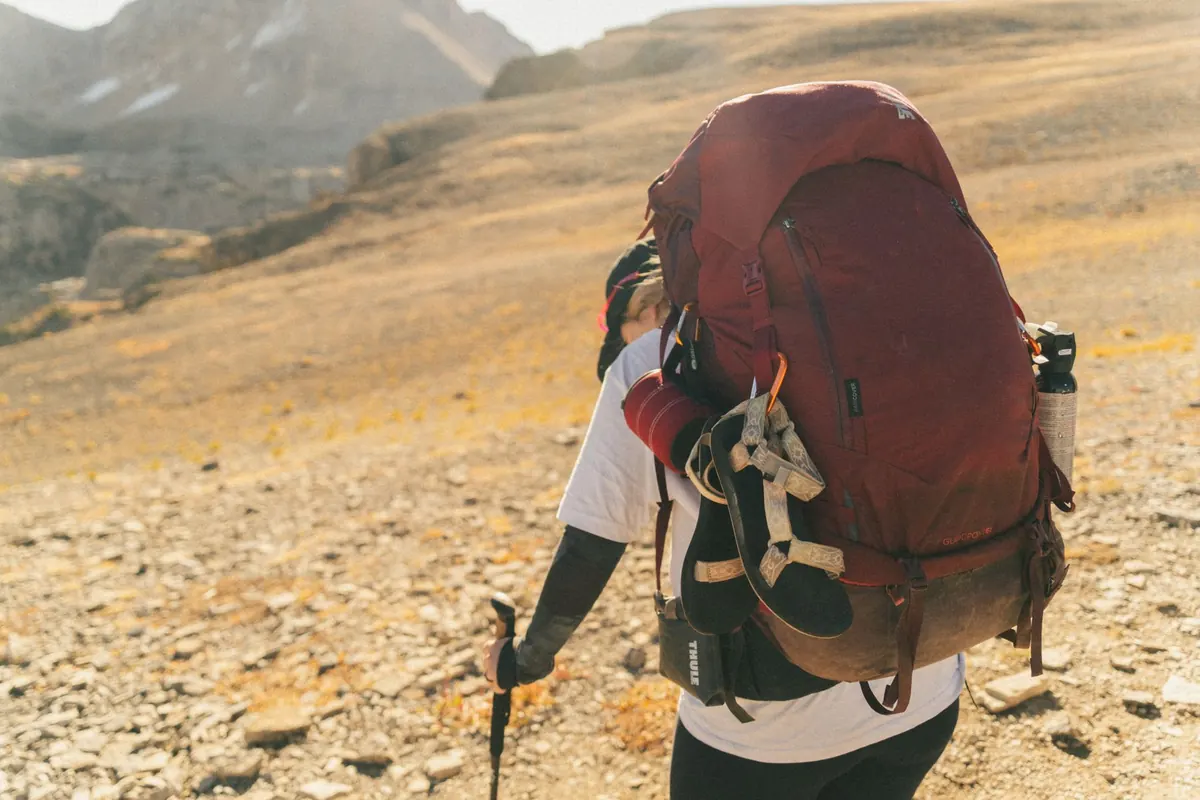
A 27°C afternoon on Kinder Scout bears no resemblance to the same temperature in your back garden. There is no wall to sit against, no cold tap, and the breeze you were counting on turns out to be a hot draught off the peat. British walkers are well drilled in wind, rain and bog; heat is the one we meet least often and prepare for worst. These are the mistakes that catch people out on warm days here, and the fixes that work.
The classic heatwave day goes like this: a leisurely breakfast, a 10am start, and a long, exposed climb right through the hottest hours. On an ordinary day that rhythm is fine. In a heatwave it turns a pleasant circuit into a grind.
Fix it by moving the whole day forward. Get on the hill by 7am if you can, and aim to be back at the car before the afternoon peak, which in a British summer usually falls somewhere between about 11am and 4pm. If an early start is impossible, shorten the route rather than forcing the same distance through the heat. Assume the walk will take 20 to 30 per cent longer, and take your breaks in whatever shade you find instead of saving lunch for the summit cairn.
The first mistake is drinking too little, too late. Thirst arrives after you are already behind, and by the time your head aches you cannot make up the deficit by gulping on the final descent. Sip steadily from the first ten minutes. A rough guide for moderate effort in real heat is around half a litre an hour, more on steep climbs.
The second mistake is drinking nothing but plain water on a long, sweaty day. Sweat carries salts, and replacing it with litres of water alone can leave you flat, headachy and oddly unwell. Salty snacks, a savoury sandwich or an electrolyte tab in one bottle all help.
And do not overcorrect. Drinking several litres of plain water in a few hours while sweating heavily can dilute the salts your body needs, which is a genuine risk on a long day. Steady, salty and varied is the aim.
UK sun gets underestimated because it arrives with a cool breeze attached. On open moorland, chalk downland or a coastal path, that breeze makes the day feel two or three degrees kinder than it is while your neck and forearms quietly cook. Reflection off water, pale rock and sand makes it worse.
Apply more cream than feels reasonable, and reapply every couple of hours — more often if you are sweating hard or have been in water. The spots people miss are the back of the neck, the ears, the backs of the hands, the parting of the hair and the tops of the feet in open sandals. A wide-brimmed hat, sunglasses and a light long-sleeved shirt do more work than any bottle of lotion.
Some routes are simply a bad idea in high summer: shadeless ridges, big rounded summits with no cover, long stretches of tarmac lane, and anything that climbs in the middle of the day. The heat does not care that the view is famous.
Change the shape of the day instead. Woodland, river valleys and gorges stay noticeably cooler and offer shade when you need it. Coastal paths have a breeze. If you want height, take it early and come down before the afternoon; farm tracks and bridleways are usually better than roads, whose surfaces radiate heat long after the air has cooled.
Build in escape routes so you can cut the day short without a three-hour trudge back, and tell someone your plan. On a hot day, being two kilometres from a road with someone who has stopped sweating and started slurring is a serious situation.
Heat exhaustion creeps in. Early signs include headache, dizziness, nausea, muscle cramps, heavy sweating, a fast pulse and pale, clammy skin. Someone affected may feel faint, or simply "not right".
If that is you or someone in your group, stop. Get out of the sun into shade, lie down with feet slightly raised, loosen clothing, and cool the skin with water, wet cloths and fanning. Sip a drink, ideally something with salts in it. Do not carry on to the summit, and do not leave a person alone to recover while the rest of the group walks on.
Heat stroke is different: hot skin, confusion, drowsiness, slurred speech or loss of consciousness. Treat it as a medical emergency, call 999, and cool the person as aggressively as you can while you wait. This is general guidance only — if you are unsure, seek professional medical advice, and consider a proper outdoor first aid course before your next long day out.
Feet suffer in the heat. Sweat softens skin, grit works its way in, and blisters appear on a route you have done a dozen times. Wear well broken-in boots with wool or synthetic socks, carry a spare pair, and deal with hot spots the moment you feel them. Sandals are fine on an easy towpath and hopeless in long grass, bracken and stubble. Appetite drops in the heat, so pack food you will actually eat — something salty, something easy
Photo: Alex Moliski / Pexels
Explore the path less travelled.
Copyright © 2026 Sable Path. All rights reserved. Sable Path.