October 10, 2026


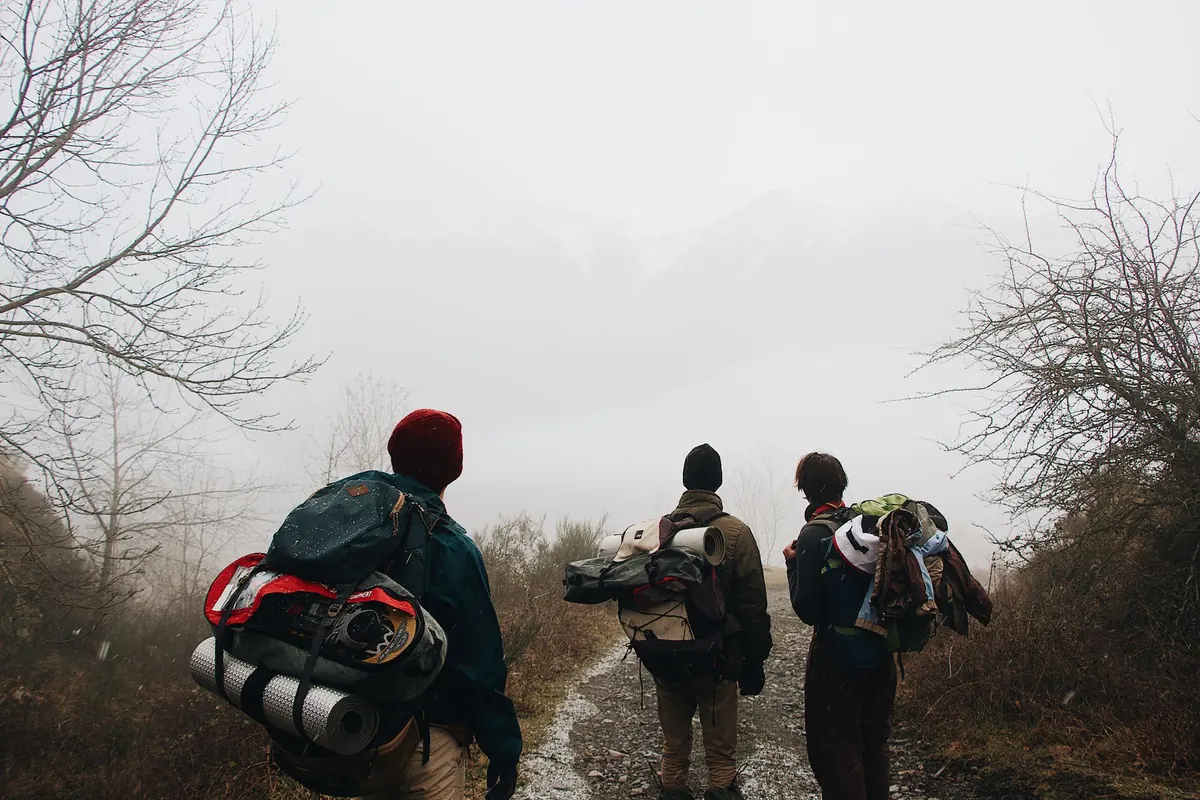
The forecast said sunny spells. It also mentioned showers by lunchtime, gusts on the tops, and a temperature that drops the moment you leave the car park. That is a British hill day in one sentence. You cannot predict it, so the sensible approach is to pack for all of it and still close the rucksack. What follows is a working checklist for a day out on the hills, not an expedition.
British weather changes faster than you can take a jacket off, so dress in layers you can add or remove without stopping for long. Three are usually enough: a base layer that moves sweat away from your skin, a fleece or lightweight insulated mid layer, and a waterproof shell over the top. Cotton is the one fabric to leave at home. Once it is wet it stays wet, clings to you, and cools you down exactly when you need warmth.
Start slightly cool at the car park. You will warm up within ten minutes of walking, and starting in everything you own means you will be stopping to strip off on the first climb. If you run hot, a thin long-sleeved top is often plenty until you reach an exposed ridge.
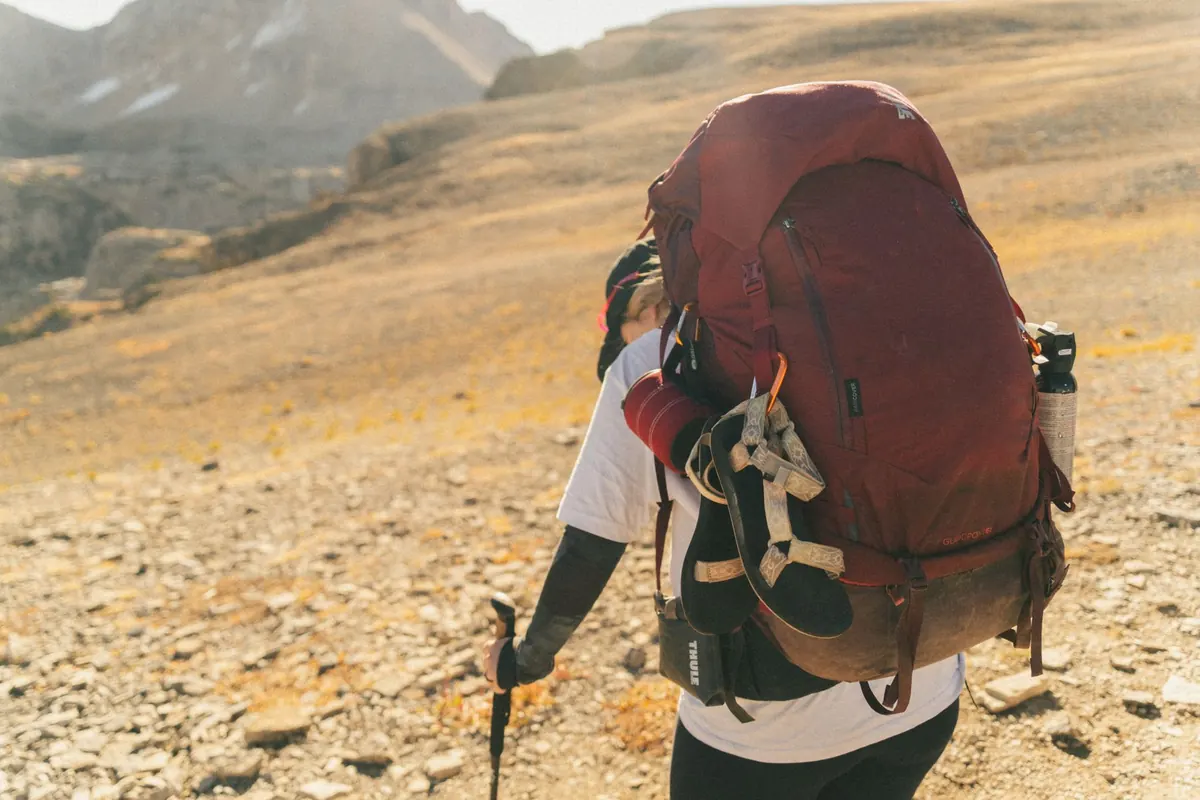
Pack a hat and gloves even in July. A thin pair of liner gloves weighs almost nothing and turns a windy summit lunch from miserable into pleasant. A buff or light scarf is useful for keeping wind off your neck and can double as a hat or a sweatband. Spare socks are the most underrated item in any rucksack: dry feet after a boggy section or a stream crossing genuinely change the last hour of a walk. Blister plasters should live in the pack permanently, not in a drawer at home.
Work from the principle that you are packing for the walk going wrong, not the walk going well. That means navigation, warmth, water and light — the four things that stop a small problem becoming a big one.
British rain rarely falls straight down. It comes at you horizontally on ridges, drifts into your hood, and finds the gap between your trousers and your jacket. Put your over-trousers on before you get cold, not after. Tuck your hood over your hat, not under it, and cinch the drawcords so it moves with your head rather than flapping in your face.
Line your rucksack with a dry bag or bin liner even if the pack claims to be waterproof, and keep the items you will need most — map, gloves, snacks — in a small dry bag at the top. Waterproofs that live at the bottom of a wet pack are no use to anyone.
Wind does more to a walk than rain. It pushes you off balance on exposed ground, drowns out conversation, and strips heat from your body far faster than still air. If gusts are strong, drop to a lower route, avoid knife-edge ridges, and keep your hands free rather than holding a phone or map in the wind.
The dangerous combination is wet plus windy plus tired. That is when people start shivering, fumble with zips, and stop making good decisions. If someone in your group goes quiet and clumsy, get them out of the wind, into dry layers, and give them something to eat and drink. Warm sweet tea and a jacket on a sheltered side of a wall fixes an awful lot. If they are not improving, treat it as an emergency and get help.
British summer can be genuinely hot on open moorland with no shade for miles. Take more water than feels necessary, wear a brimmed hat, and eat regularly. Watch for someone becoming dizzy, headachy or confused — get them into shade, cool them down, and seek medical advice if they do not improve quickly.
Long grass and bracken mean ticks. Wear trousers rather than shorts on overgrown paths, and check yourself properly once you are home. If you develop a spreading rash, a fever or flu-like symptoms after a bite, speak to a doctor rather than waiting to see what happens. Midges are less serious, but a head net and repellent make the difference between a lovely evening and an unbearable one.
Tell someone where you are going, which route you plan to take, and when you expect to be back. Send them a message when you finish, even if it is late. Carry a whistle — six blasts, then a minute's pause, is the recognised distress signal — and know how to give your location if you have no signal available. A compass bearing and a grid reference on a paper map still work when your phone does not.
In the UK, if you need mountain rescue, dial 999 and ask for the police, then ask for mountain rescue. If you are unsure whether a situation counts as an emergency, call anyway. Nobody minds a false alarm.
Finally, keep your emergency contacts written down rather than only stored in your phone. A card in your wallet with your name, a contact number and any medical details you want known takes thirty seconds to make.
Do that, and the weather can do whatever it likes. You will be the one on the summit, comfortably eating a sandwich while everyone else huddles behind a wall.
Photo: Maël BALLAND / Pexels
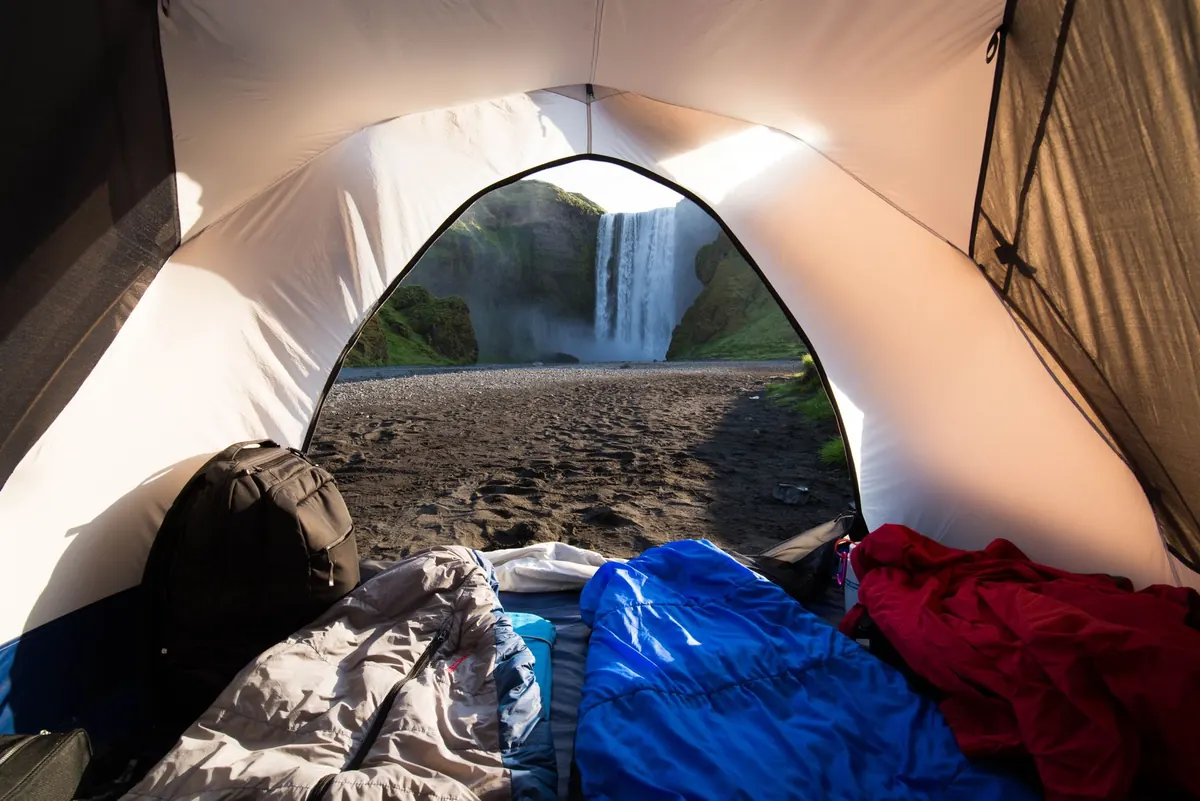
Explore the path less travelled.
Copyright © 2026 Sable Path. All rights reserved. Sable Path.